
The Psychology of Packaging: How Design Influences Sales

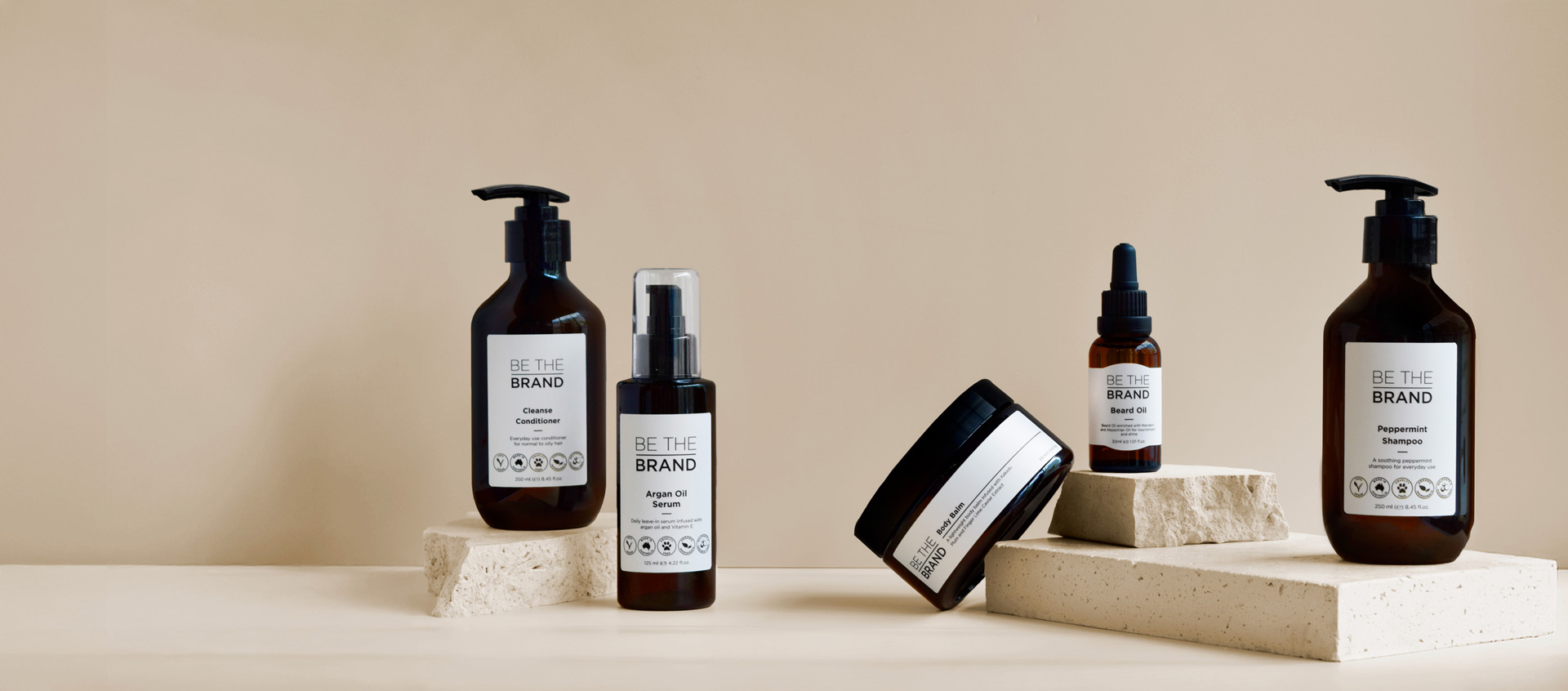
Packaging is often the first interaction a customer has with a product, and that moment can determine whether they purchase it or move on. The psychology of packaging design can go far beyond aesthetics. It influences perception, emotion and trust in a matter of seconds. In competitive industries like hair and skincare, where shelves and online marketplaces are crowded with similar products, packaging becomes a powerful sales tool. Well-designed packaging doesn’t just support branding; it actively shapes how a product is valued, remembered and chosen by consumers.
Why Packaging Design Matters in Consumer Psychology
Consumers rarely make purely rational purchasing decisions. Instead, they rely on quick emotional cues driven by first impressions, visual appeal and perceived quality. Packaging design psychology plays a role in this process, influencing how trustworthy, effective or premium a product looks and feels at a glance. Elements such as colour, layout, typography and materials all contribute to product design psychology, shaping expectations before the product is even used. Whether in-store or online, strong packaging builds confidence, reinforces brand positioning and encourages purchase decisions based on instinct rather than comparison.
How Colours Trigger Emotional Responses
Colour is one of the most powerful tools in packaging psychology, shaping how a product is perceived before it is ever touched or used. Colour psychology in packaging influences emotions such as trust, calm, excitement and luxury, while also setting expectations around performance and quality. Soft, muted tones often suggest care and gentleness, while darker or metallic shades can communicate premium value. When applied strategically, colour psychology in packaging design helps products stand out, feel relevant to their audience and reinforce brand positioning at first glance.
Choosing Colours for Hair and Skincare Products
In haircare and skincare, natural tones such as greens, beiges and soft neutrals are commonly used to support organic or clean beauty positioning. Minimalist palettes with whites, blacks or subtle accents are often associated with premium or professional ranges. Brighter colours can signal energy, performance or youth-focused products. When combined with the right formulation and packaging format, colour becomes a strategic tool that supports product success within competitive categories.
How Packaging Design Influences Online Sales
In online retail, packaging design often becomes the product itself. Thumbnails, listing images and social media visuals rely heavily on strong visual cues to capture attention in seconds. The psychology of packaging design plays a critical role in how products perform online, influencing perceived quality, trust and desirability before a customer reads a single word of copy. Effective packaging design psychology ensures products photograph well, stand out in crowded marketplaces and appeal to influencers and content creators, helping drive higher engagement and conversion rates across ecommerce platforms.
Common Packaging Design Mistakes That Hurt Sales
Even well-formulated products can struggle if packaging decisions fall short. Overcomplicated designs often confuse consumers and dilute key messaging, while poor colour contrast can reduce shelf impact and online visibility. A mismatch between packaging and the target market can also undermine trust, particularly if the design doesn’t align with the price point or product positioning. Ignoring how packaging appears in digital environments or on crowded shelves further limits performance. Avoiding these pitfalls requires a strategic approach, where design choices are guided by consumer psychology rather than trends alone.

Design with Psychology in Mind
Packaging is more than a finishing touch; it is a powerful driver of perception, emotion and sales. When brands apply packaging psychology from the earliest stages of product development, they are better positioned to connect with their audience and stand out in competitive markets. From colour and materials to structure and consistency, every design decision influences how a product is received. Working with a partner that understands both formulation and packaging psychology allows brands to create products that look compelling, feel credible and perform commercially.
If you’re planning to launch or refine a hair or skincare product, speak with us to explore packaging and product development solutions designed for long-term success.